


Eight Limbs of Yoga

Updated: Sep 29

The Eight Limbs of Yoga are associated with two Indian philosophies: Sankhya and Yoga. Sankhya is a theoretical framework grounded in cosmology that explains the evolution of the universe through 25 tattvas (elements) that account for existence. At its core, it presents the relationship between purusha (the highest consciousness) and Prakruti (all of nature, including us). Yoga is the practical, experiential method (techniques) for achieving Kaivalya (liberation). The word "yoga" comes from the Sanskrit root Yuj, meaning "to yoke" or "to unite," signifying the connection among body, mind, and spirit.
The practices of yoga were documented by Patanjali around 450 BC in the Yoga Sutras, which are 196 aphorisms (threads and definitions) that outline the eight-limb path of yoga, known as Ashtanga yoga. The path includes the Yamas (five ethical restraints), the Niyama (five personal observances), yoga asanas (postures), Pranayama (conscious-breathing practices), Pratyahara (introspection), Dharana (meditation), and finally Samadhi (bliss or full immersion).
The Eight Limbs of Yoga define and direct us on how to live a meaningful and purposeful life. They serve as a prescription for moral and ethical conduct and self-discipline while directing our attention toward our health. They help us acknowledge the spiritual aspects of our true natures. Here is a brief overview of these eight paths towards Samadhi, (Bliss).
I. Yamas
1.1- Ahimsa- (Non-Violence)- Sutra 2.35

Ahimsa is the first Yama (moral observation) in the eight limbs of yoga, as documented by Patanjali around 450 BC. The word is derived from the Sanskrit prefix a (meaning "not") and the root word himsa (meaning "to cause pain" or "violence"). Ahimsa extends beyond physical violence to include mental, verbal, and emotional harm, emphasizing a holistic approach to living without inflicting any form of suffering. It is notable that Mohandas K. Gandhi applied ahimsa to the political sphere of nonviolent resistance, inspiring many others, including Martin Luther King Jr. and the American Civil Rights Movement.
1.2- Satya- (Truth)- Sutra 2.36

Satya is the second Yama (moral consideration) in the eight-limb path of yoga found in the yoga sutras, which means truthfulness. It involves self-honesty, authentic living, truthful communication, integrity, mindfulness, self-reflection, honest self-assessment, vulnerability, and alignment of thought, word, and deed with one's inner truth, while still practicing compassion. Practicing Satya means being honest with oneself and others, living authentically, and cultivating clarity in intentions to foster trust and understanding.
1.3- Asteya- (Non-Stealing)- Sutra 2.37

Asteya is the third of the eight Yamas in Patanjali's Yoga Sutras, representing the ethical principle of not taking anything that doesn’t belong to you. It encourages a deep inner shift to abandon the very desire or intent to possess, stemming from feelings of lack, greed, or comparison. Practicing Asteya involves cultivating gratitude, contentment, and respect for others.
1.4- Brahmacharya- (Self-Control)- Sutra 2.38

Brahmacharya is the fourth Yama (ethical restraint) in yoga philosophy, meaning "right use of energy" or "moderation." While it can include sexual abstinence, its broader meaning is the wise, responsible use of one's physical, mental, and emotional energy to align with spiritual values and avoid excess. By practicing Brahmacharya, yogis cultivate self-control, conserve vital life force (prana), build immunity (Ojas), and foster greater spiritual growth.
1.5-Aparigraha- (Non-Attachment)- Sutra 2.38

Aparigraha is the fifth Yama, or ethical restraint, in the yogic tradition, meaning non-attachment or non-possessiveness. It encourages letting go of the excessive grip and fear associated with possessions, people, ideas, and even past experiences. By cultivating non-attachment, one fosters freedom, inner peace, and contentment, creating space for life to unfold naturally and for new energy and opportunities to enter.
II. Niyamas
II.I- Saucha- (Purity)- Sutra 2.40

Saucha is the first of the five Niyamas (Personal Observations) in yogic philosophy, meaning purity, cleanliness, and order. It encourages cultivating cleanliness in your environment and body, as well as internal purity of the mind and emotions. Saucha includes practices such as maintaining a tidy living space, choosing pure foods, practicing mindful eating, and cultivating purifying thoughts by eliminating negativity to foster clarity and well-being.
II.II- Santosa- (Contentment)- Sutra 2.42
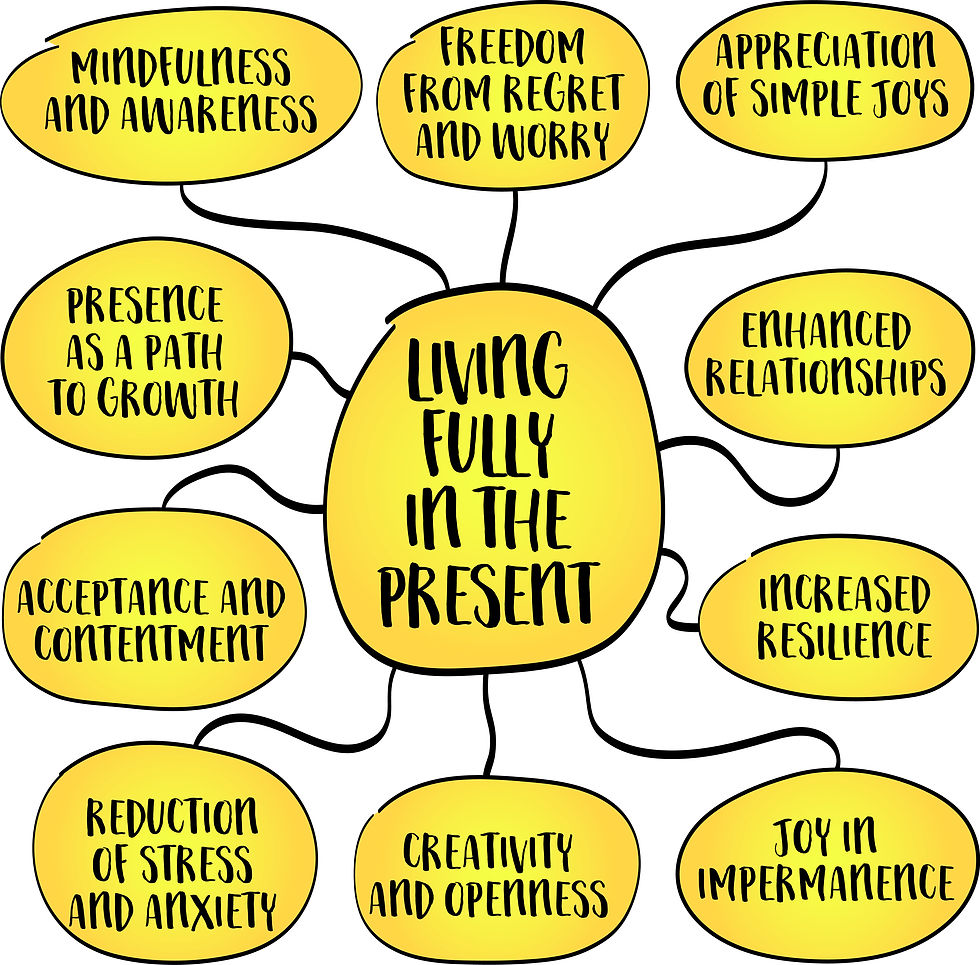
Santosha is the second Niyama, or principle of self-discipline, in Patanjali's Yoga Sutras. It translates to contentment, an inner state of peace and satisfaction with whatever is present, rather than seeking more or being dissatisfied. Practicing Santosha involves cultivating gratitude, accepting circumstances as they are, practicing mindfulness, pursuing progress rather than perfection, and finding happiness in simple, everyday moments.
II.III- Tapas-(Burning Desire)- Sutra 2.43

Tapas is the third Niyama, the personal observance that translates to self-discipline, austerity, or "heat." It signifies cultivating a steady inner fire of dedication and effort to burn away impurities, transform oneself, and build the inner strength and motivation to pursue goals and overcome life's challenges. Practicing tapas involves consistent effort in physical and mental practices, creating clarity of body, mind, and soul.
II.IV- Svadhyaya-(Self-Study)- Sutra 2.44

Svadhyaya is the fourth Niyama, one of the five personal guidelines in yoga outlined in the Yoga Sutras, and it means "self-study." It encourages introspective self-reflection, the study of spiritual or uplifting texts, and the honest observation of one's thoughts, emotions, and actions to deepen self-understanding and spiritual connection and growth by pursuing avenues that foster greater self- acceptance.
II.V-Ishvara Pranidhana- (Surrender)- Sutra 2.45

Ishvara Pranidhana is the fifth and final Niyama in Patanjali's Yoga Sutras, which is the personal observance for ethical living. It translates to "surrender to a higher power". It involves letting go of the need for control by trusting a force greater than oneself, embracing the present moment, and cultivating faith and devotion.
III. Asana- (Physical Practice)- Sutra 2.46

Asana is the third of the eight limbs of yogadefined in Sanskrit as "seated" or "sitting down." Originally, it served as a stable seated posture for breath control and meditation. In modern times, asanas are widely practiced for their physical health benefits, including improved flexibility, strength, and balance. Mentally, they calm the mind, reduce stress, enhance self-awareness, and holistically contribute to overall health.
IV. Pranayama- (Conscious Breathing)- Sutra 2.49

Pranayama is a Sanskrit term that translates to "control of breath." It is a yoga practice that involves various breathing techniques designed to regulate and enhance the flow of prana (life force) throughout the body. These techniques benefit the respiratory system, bring presence, increase energy levels, reduce anxiety and stress, enhance focus and concentration, and balance the bodily systems.
V. Pratyahara-(Withdrawal of Senses)- Sutra 2.54

Pratyahara is the fifth limb of the eight limbs of yoga, meaning "withdrawal of the senses." Derived from the Sanskrit words "prati" (away/against) and "ahara" (food/input), it signifies gaining control over external influences by retracting your energy from your senses rather than being controlled by them. This practice serves as a bridge between yoga poses (asana) and breath control (pranayama), and focuses on awareness and focus.
VI. Dharana- (Concentration)- Sutra 3.1

Dharana is the Sanskrit word for "concentration," the sixth limb of yoga, which involves binding your consciousness to a single object, thought, or sensation to train your mind to remain undistracted. This focused practice is a step toward deeper meditation, involving choosing a single point of focus, such as the breath, a mantra, or an external image, and repeatedly bringing the mind back to it when it wanders.
VII. Dhyana- (Meditation)- Sutra 3.2

Dhyana is the seventh of the eight limbs of yoga and refers to a profound state of meditative absorption, deep meditation, or contemplation. It represents an uninterrupted, single-pointed focus or flow of awareness that dissolves the separation between the observer and the observed, resulting in a deep sense of unity, equanimity, and profound inner fulfillment.
VIII. Samadhi- (Absorption)- Sutra 3.3

Samadhi is the last of the eight limbs, encompassing all the eight limbs in this final stage of physical, mental, emotional, and spiritual absorption, where the mind becomes fully engrossed in meditation, leading to the unification of the spirit. Cultivation samadhi is the essential spiritual awakening and the attainment of freedom from suffering and ignorance, where the practitioner experiences profound peace, joy, and a state of blissful union with reality, devoid of desire and ego-generating thoughts.


Comments