


Kumbhaka

Updated: Apr 3
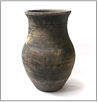
Kumbhaka is a Sanskrit term meaning a vessel, pot, or container, and in Ayurvedic and Yogic philosophy, it relates to the ether element, which signifies space (Akasha) and holds everything in the universe and in nature.
Yoga and Ayurveda are sister sciences mentioned together in the earliest Indian texts called the Vedas. Both share the same philosophy, called Sankhya, which includes 25 tattvas (energies) that explain existence, including the five elements (ether, air, fire, water, and earth).
In Pranayama practice, kumbhaka not only sustains our individual existence but also creates a space in which we control and shape the breath, from the top of the chest (jugular notch, where the collarbones meet) to the pelvis, and from the sides of the body to the midline.
This term also refers to the “space” where you hold your breath during inhalations (Antara Kumbhaka) and exhalations (Bahya Kumbhaka), which both incorporate the Bandhas (locks): Jalandhara (throat), Uddiyana (diaphragm), and Mula (pelvic floor). These locks play a crucial role in 'locking' the energy and directing it for more advanced practices.


Comments